This article explores what shipping, warehousing, and distribution services involve, their key benefits, core processes, and why choosing the right logistics partner is essential for business success.
What Are Shipping Warehousing & Distribution Services?
Shipping warehousing & distribution services refer to an integrated logistics solution that combines three key functions:
- Shipping: The transportation of goods via land, sea, or air.
- Warehousing: The storage and management of inventory in secure facilities.
- Distribution: The process of picking, packing, and delivering goods to final destinations.
When combined, these services form a seamless supply chain system that ensures products more efficiently from origin to end-user without delays or unnecessary costs.
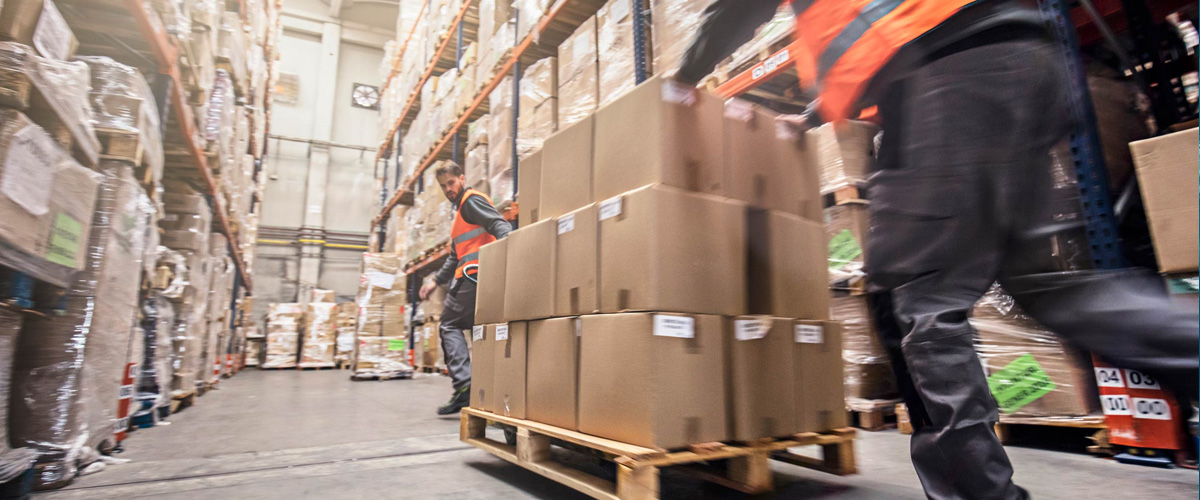
Importance of Integrated Logistics Services
Modern businesses no longer rely on separate logistics providers for shipping, storage, and delivery. Instead, they prefer integrated solutions that offer complete supply chain management under one roof.
Here’s why these services are essential:
1. Improved Supply Chain Efficiency
Integrated logistics reduces delays caused by multiple service providers. With a single system managing shipping, warehousing, and distribution, operations become smoother and more coordinated.
2. Cost Reduction
Consolidating logistics services helps reduce overhead costs such as storage fees, transportation charges, and handling expenses.
3. Real-Time Inventory Control
Advanced warehousing systems allow businesses to track inventory levels in real time, reducing stockouts and overstock situations.
4. Faster Delivery Times
With strategically located warehouses and efficient distribution networks, businesses can fulfil customer orders faster.
5. Scalability
As businesses grow, integrated logistics services can easily scale to meet increased demand without operational disruptions.
Why Businesses Outsource Shipping Warehousing & Distribution Services
Outsourcing shipping warehousing & distribution services enables businesses to streamline their supply chain while reducing operational costs and improving service quality. Rather than investing heavily in warehouses, transport fleets, technology, and manpower, companies can leverage the expertise and infrastructure of an experienced logistics provider.
Key advantages include:
Lower Operating Costs
Outsourcing eliminates the need for significant capital investment in warehouse facilities, vehicles, equipment, and logistics personnel. Businesses only pay for the services they require, improving cash flow and cost efficiency.
Access to Advanced Logistics Technology
Professional logistics providers utilise Warehouse Management Systems (WMS), inventory tracking software, barcode scanning, RFID technology, and real-time shipment monitoring to enhance operational visibility and accuracy.
Flexible Storage Capacity
Whether managing seasonal demand, promotional campaigns, or business expansion, outsourced warehousing solutions can easily scale to accommodate changing inventory volumes.
Faster Order Fulfilment
Integrated logistics providers streamline receiving, storage, picking, packing, and shipping processes, helping businesses reduce lead times and improve customer satisfaction.
Focus on Core Business Operations
By outsourcing logistics management, companies can dedicate more time and resources to product development, sales, marketing, and customer service while leaving supply chain operations to experienced professionals.
Key Components of Shipping Warehousing & Distribution Services
1. Freight Shipping Management
Shipping services involve the movement of goods via:
- Sea freight for bulk and international shipments
- Air freight for urgent deliveries
- Land transport for regional distribution
A reliable logistics provider ensures proper route planning, documentation, customs clearance, and cargo tracking.
2. Warehousing Solutions
Warehousing is more than just storage. Modern warehouses offer:
- Inventory management systems (WMS)
- Temperature-controlled storage (for sensitive goods)
- Barcode and RFID tracking
- Secure handling and packaging zones
- Cross-docking facilities
Efficient warehousing ensures goods are stored safely and prepared for quick dispatch when required.
3. Distribution Services
Distribution involves the final stage of logistics, ensuring products reach retailers, wholesalers, or end customers. This includes:
- Order fulfilment
- Pick and pack operations
- Last-mile delivery
- Bulk distribution to retail chains
- E-commerce fulfilment services
A strong distribution network enhances customer satisfaction through timely and accurate deliveries.
Types of Shipping Warehousing & Distribution Services
1. Third-Party Logistics (3PL)
A 3PL provider manages all logistics functions, including transportation, storage, and distribution, allowing businesses to focus on core operations.
2. Fourth-Party Logistics (4PL)
A 4PL provider offers higher-level supply chain management, coordinating multiple 3PL providers and optimising overall logistics strategy.
3. E-Commerce Fulfilment Services
Designed for online businesses, this service includes order processing, packaging, and direct shipping to customers.
4. Cold Chain Logistics
Used for perishable goods such as food, pharmaceuticals, and chemicals requiring temperature-controlled environments.
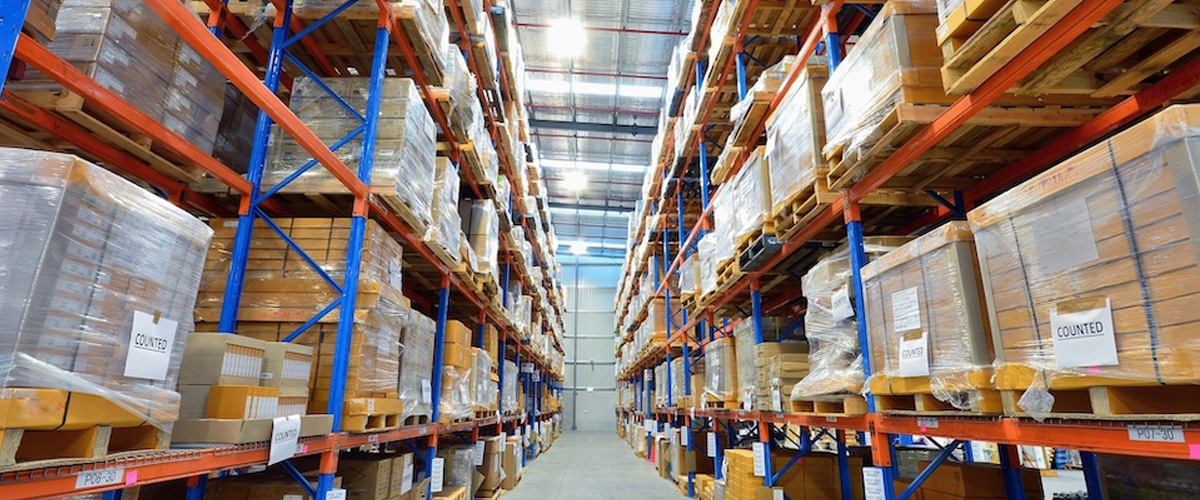
Benefits of Shipping Warehousing & Distribution Services
Enhanced Operational Efficiency
Streamlined processes reduce manual handling and administrative workload.
Better Inventory Accuracy
Automated systems ensure real-time tracking and reduce human error.
Increased Customer Satisfaction
Faster and more reliable deliveries improve customer trust and retention.
Risk Reduction
Professional logistics providers reduce risks related to damage, loss, or delays.
Access to Expertise
Businesses benefit from experienced logistics professionals and advanced supply chain technology.
Why Integrated Shipping Warehousing & Distribution Improves Supply Chains
An integrated logistics solution combines shipping, warehousing, inventory management, and distribution into a single, coordinated operation. This eliminates communication gaps between multiple service providers and creates a more efficient supply chain.
Benefits include:
- Reduced logistics and transportation costs
- Improved inventory visibility across the supply chain
- Faster order processing and fulfilment
- Better inventory forecasting and stock replenishment
- Lower risk of damaged or misplaced goods
- Enhanced customer satisfaction through reliable delivery
- Greater supply chain transparency with real-time tracking
- Improved business scalability as demand increases
Integrated logistics also allows businesses to respond quickly to changing market conditions while maintaining consistent service quality.
How the Process Works
A typical shipping warehousing & distribution workflow includes:
- Receiving Goods – Products arrive at the warehouse from manufacturers or suppliers.
- Inspection & Recording – Items are checked for quality and logged into the system.
- Storage – Goods are stored based on category, demand, and handling requirements.
- Order Processing – When orders are received, items are picked from storage.
- Packing & Labelling – Products are securely packed and labelled for shipment.
- Shipping & Delivery – Goods are dispatched via the most suitable transport mode.
- Tracking & Updates – Customers receive real-time updates until delivery is completed.
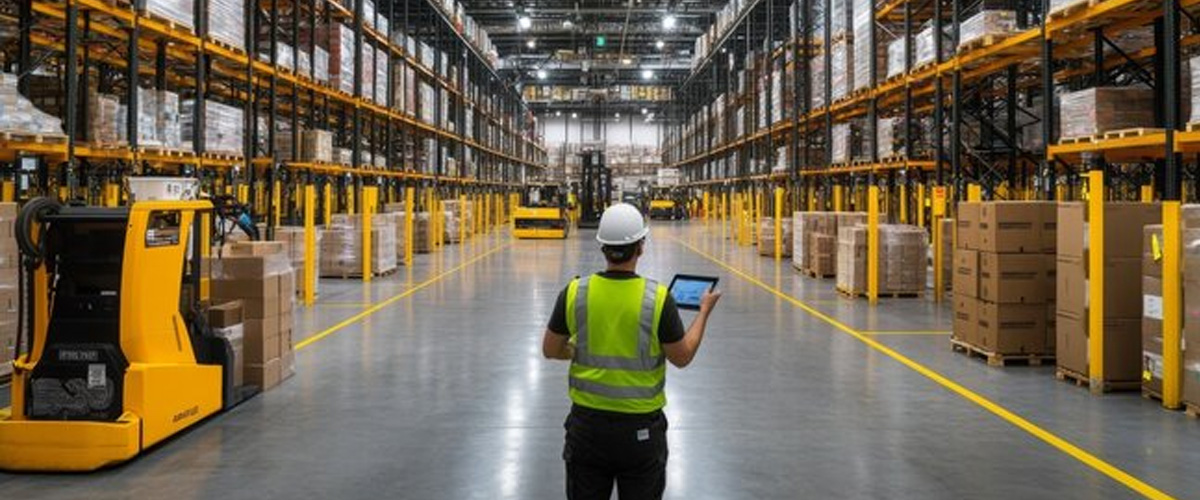
Our Shipping Warehousing & Distribution Capabilities
We provide comprehensive shipping warehousing & distribution services designed to support businesses of all sizes, from SMEs to multinational corporations. Our integrated logistics solutions cover every stage of the supply chain.
Our capabilities include:
International Freight Management
- Air freight forwarding
- Sea freight forwarding
- Import and export shipping
- Customs documentation
- Cargo consolidation
- Multimodal transportation
Professional Warehousing Solutions
- Secure pallet storage
- Bulk inventory storage
- Bonded warehousing
- Temperature-controlled storage
- Cross-docking services
- Inventory control and stock management
- Warehouse Management System (WMS)
Distribution & Fulfilment
- Pick and pack services
- Retail distribution
- E-commerce fulfilment
- Last-mile delivery coordination
- Nationwide distribution
- Export & import consolidation
- Reverse logistics management
Value-Added Logistics Services
- Product labelling
- Repacking and kitting
- Barcode and RFID management
- Inventory reporting
- Cargo tracking
- Supply chain consultation
- Logistics process optimisation
Our end-to-end logistics capabilities provide businesses with a single point of contact for efficient supply chain management.
Industries We Serve
Our shipping warehousing & distribution services support businesses across a wide range of industries, each with unique logistics requirements.
Retail & E-Commerce
Fast-moving inventory, order fulfilment, returns management, and nationwide delivery support.
Manufacturing
Raw material storage, production logistics, inventory management, and just-in-time delivery.
Automotive
Parts warehousing, inventory control, spare parts distribution, and regional logistics coordination.
Electronics & Technology
Secure storage for high-value products, inventory tracking, export shipping, and specialised handling.
Food & Beverage
Temperature-controlled warehousing, inventory rotation, and efficient nationwide distribution.
Pharmaceuticals & Healthcare
Regulatory-compliant storage, cold chain logistics, inventory monitoring, and timely product distribution.
FMCG
Efficient inventory replenishment, cross-docking, retail distribution, and large-scale warehousing solutions.
Shipping Warehousing & Distribution Services in Malaysia
Malaysia has become one of Southeast Asia's leading logistics hubs, supported by world-class ports, airports, highways, and industrial parks. Businesses operating locally and internationally require reliable logistics partners capable of managing complex supply chains efficiently.
Our shipping warehousing & distribution services support businesses throughout Malaysia, including:
- Kuala Lumpur
- Selangor
- Shah Alam
- Klang
- Port Klang
- Johor Bahru
- Penang
- Ipoh
- Melaka
- Negeri Sembilan
- Kuantan
- Sabah
- Sarawak
With strategic warehouse locations and efficient transportation networks, we help businesses minimise transit times while ensuring smooth inventory movement across domestic and international markets.
Our team also assists with customs clearance, export documentation, import compliance, and cross-border logistics, ensuring shipments move efficiently throughout Malaysia and beyond.
Choosing the Right Logistics Partner
Selecting the right provider for shipping warehousing & distribution services is crucial. Here are key factors to consider:
Experience and Reputation
Look for a provider with a proven track record in handling diverse logistics operations.
Technology Integration
A strong logistics partner should offer warehouse management systems (WMS) and real-time tracking tools.
Strategic Warehouse Locations
Warehouses located near ports, airports, or industrial zones improve efficiency and reduce transit time.
Customised Solutions
Every business has unique needs. Choose a provider that offers flexible and scalable logistics solutions.
Compliance and Safety Standards
Ensure the provider complies with local regulations and international shipping standards.
Why Work With an Experienced Logistics Provider
Efficient logistics requires more than transportation and storage. It demands expertise, planning, technology, and continuous optimisation.
Working with an experienced logistics provider offers several advantages:
- Proven knowledge of Malaysian and international logistics regulations
- Professional customs clearance support
- Reduced shipping errors and delays
- Improved warehouse efficiency
- Accurate inventory management
- Better freight planning and route optimisation
- Reduced operational risks
- Dedicated logistics specialists providing ongoing support
An experienced logistics partner helps businesses improve operational performance while reducing supply chain complexity and long-term logistics costs.
Why Choose Our Shipping Warehousing & Distribution Services
Selecting the right logistics partner can significantly impact your operational efficiency and customer satisfaction. We are committed to delivering reliable, scalable, and cost-effective logistics solutions tailored to your business requirements.
End-to-End Logistics Solutions
We manage every aspect of your supply chain, from inbound shipping and warehousing to inventory management, distribution, and final delivery.
Experienced Logistics Professionals
Our team understands the complexities of international shipping, customs procedures, warehouse operations, and distribution management.
Advanced Warehouse Management Systems
We utilise modern Warehouse Management Systems (WMS) that provide real-time inventory visibility, accurate stock control, and comprehensive reporting.
Flexible and Scalable Services
Whether you require temporary storage, long-term warehousing, nationwide distribution, or complete third-party logistics (3PL), our services can grow alongside your business.
Strategic Logistics Network
Our warehousing and transportation network enables efficient distribution throughout Malaysia while supporting regional and international logistics operations.
Reliable Customer Support
We work closely with every client to provide responsive communication, transparent reporting, and customised logistics solutions that align with business objectives.
Comparison: Integrated Logistics vs Traditional Logistics Services
| Traditional Logistics Providers | Our Integrated Shipping Warehousing & Distribution Services |
| Separate providers for shipping, storage, and distribution | Complete end-to-end logistics under one provider |
| Limited visibility across the supply chain | Real-time inventory and shipment tracking |
| Manual inventory processes | Advanced Warehouse Management System (WMS) |
| Longer coordination times | Streamlined logistics operations |
| Higher handling costs | Improved cost efficiency |
| Multiple points of contact | Single dedicated logistics partner |
| Limited scalability | Flexible solutions that grow with your business |
| Increased risk of delays | Faster order fulfilment and reliable delivery |
Future Trends in Logistics and Distribution
The logistics industry is rapidly evolving due to technology and globalisation. Key trends include:
- Automation and robotics in warehouses
- AI-driven inventory forecasting
- Green logistics and sustainable transport
- Drone and autonomous delivery systems
- Blockchain for supply chain transparency
Businesses that adopt these innovations will gain a competitive advantage in efficiency and customer service.

FAQs on Shipping Warehousing & Distribution Services
1. What are shipping warehousing & distribution services?
Shipping warehousing & distribution services combine freight transportation, inventory storage, warehouse management, order fulfilment, and product distribution into one integrated logistics solution.
2. Why should businesses outsource logistics services?
Outsourcing reduces operating costs, improves inventory management, increases operational flexibility, and allows businesses to focus on their core activities while experienced professionals manage the supply chain.
3. What industries benefit most from shipping warehousing & distribution services?
Industries including manufacturing, retail, e-commerce, pharmaceuticals, automotive, electronics, food and beverage, and FMCG all benefit from integrated logistics solutions.
4. What is a Warehouse Management System (WMS)?
A Warehouse Management System (WMS) is software that manages inventory, warehouse operations, stock movements, order fulfilment, and reporting in real time, improving accuracy and operational efficiency.
5. What is pick and pack fulfilment?
Pick and pack fulfilment involves selecting products from warehouse inventory, securely packaging them, labelling shipments, and preparing them for delivery to customers or retail outlets.
6. What is cross-docking?
Cross-docking is a logistics process where incoming goods are transferred directly from receiving vehicles to outbound transport with minimal storage time, reducing handling costs and speeding up delivery.
7. How does inventory tracking improve supply chain performance?
Real-time inventory tracking helps businesses monitor stock levels, prevent stock shortages, reduce excess inventory, improve forecasting accuracy, and increase overall operational efficiency.
8. Can your logistics services support seasonal demand?
Yes. Our warehousing and distribution solutions are fully scalable, allowing businesses to increase or reduce storage space, inventory capacity, and distribution services based on seasonal fluctuations or business growth.
9. Do you provide customs clearance services?
Yes. We assist with customs documentation, import and export compliance, cargo clearance, and regulatory requirements to ensure smooth international shipments.
10. What is export and import consolidation?
Export and import consolidation combines multiple shipments into a single larger shipment, helping businesses reduce freight costs, improve container utilisation, and simplify logistics management.
11. What transportation methods do you provide?
Depending on your business requirements, we support air freight, sea freight, road transportation, multimodal logistics, and nationwide distribution services.
12. How do integrated logistics services reduce costs?
By combining shipping, warehousing, inventory management, and distribution under one provider, businesses benefit from reduced handling costs, improved operational efficiency, lower transportation expenses, and better inventory control.
13. How do I choose the right logistics provider?
Look for a logistics company with proven industry experience, modern warehouse technology, strategic warehouse locations, comprehensive service capabilities, regulatory compliance, transparent communication, and scalable logistics solutions.
14. Can you customise logistics solutions for my business?
Yes. Every business has unique supply chain requirements. We tailor our shipping, warehousing, and distribution services to suit your inventory levels, delivery schedules, industry requirements, and growth objectives.
15. How can I get a quotation for shipping warehousing & distribution services?
Simply contact our logistics team with details of your shipment volumes, storage requirements, distribution needs, and destinations. We will prepare a customised logistics solution and competitive quotation based on your operational requirements.

