Malaysia’s strategic position in Southeast Asia, supported by major logistics gateways such as Port Klang, has made it one of the region’s most important hubs for cargo consolidation and international freight forwarding.
This article explores how export and imports consolidation works in Malaysia, its benefits, key processes, industry applications, and what to look for in a reliable logistics partner.
What is Export & Import Consolidation?
Export and import consolidation refers to the process of combining multiple smaller shipments from different suppliers or customers into a single container (commonly known as Less-than-Container Load or LCL consolidation)..
Instead of shipping goods individually—which can be expensive and inefficient—cargo is grouped at a consolidation warehouse before being shipped together to the destination port. Once it arrives, the shipment is deconsolidated and delivered to individual consignees.
This method is widely used in Malaysia due to its strong export base and high volume of international trade activity.
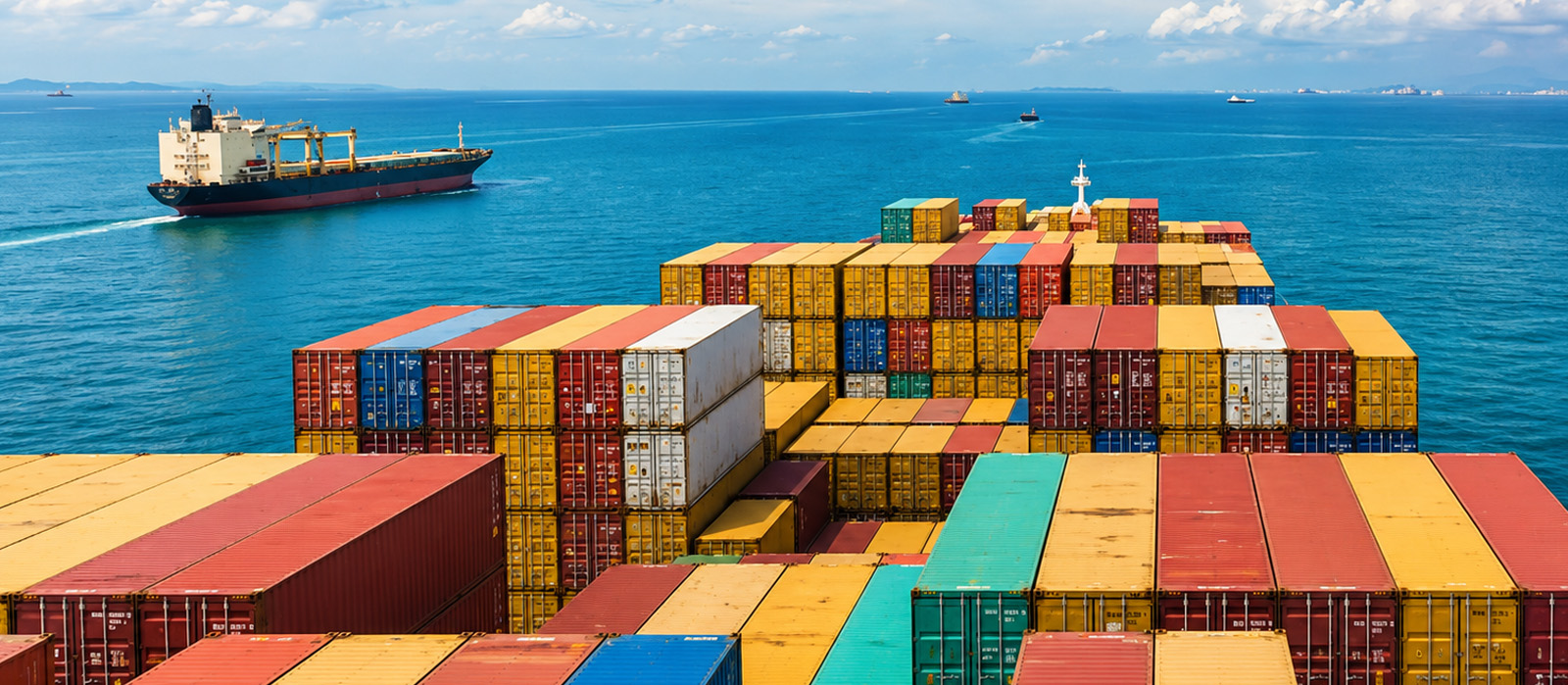
Why Malaysia is a Key Hub for Cargo Consolidation
Malaysia plays a significant role in global logistics due to its geographical advantage and well-developed infrastructure. Key reasons include:
1. Strategic Location in ASEAN
Malaysia sits at the heart of Southeast Asia, making it an ideal transit and redistribution hub for regional and global trade routes.
2. Strong Port Infrastructure
Ports such as Port Klang and Penang Port handle millions of TEUs annually, supporting high-volume consolidation operations.
3. Established Free Trade Agreements
Malaysia’s participation in multiple FTAs enables smoother customs clearance and reduced tariffs for exporters and importers.
4. Advanced Logistics Ecosystem
The country has a mature freight forwarding and warehousing industry that supports efficient consolidation, labelling, sorting, and documentation services.
How Export & Import Consolidation Works
Understanding the consolidation process helps businesses optimise their supply chain planning.
Step 1: Cargo Collection
Goods from multiple suppliers are collected at a consolidation warehouse or freight forwarder’s facility.
Step 2: Sorting and Documentation
Shipments are sorted based on destination, product type, and shipping requirements. Export documentation is prepared, including invoices, packing lists, and customs declarations.
Step 3: Container Loading (Consolidation)
Multiple shipments are carefully packed into a single container. This step maximises space utilisation and ensures cargo safety during transit.
Step 4: Export Clearance
The consolidated shipment is cleared through Malaysian customs before being loaded onto vessels.
Step 5: International Shipping
The container is shipped to the destination port via sea freight or, in some cases, air freight consolidation.
Step 6: Deconsolidation
Upon arrival, the shipment is unpacked and separated for final delivery to individual recipients.
Benefits of Export & Import Consolidation in Malaysia
1. Cost Savings
One of the biggest advantages is reduced shipping costs. Businesses only pay for the space they use instead of an entire container.
2. Improved Supply Chain Efficiency
Consolidation reduces the complexity of managing multiple small shipments.
3. Better Cargo Handling
Professional consolidation reduces the risk of damage through proper packing and handling.
4. Flexible Shipping Options
Ideal for SMEs and businesses with irregular or low-volume shipments.
5. Reduced Customs Complexity
Experienced freight forwarders manage documentation and clearance processes efficiently.
Who Should Use Consolidation Services?
Export and import consolidation is suitable for a wide range of industries, including:
- E-commerce businesses shipping small parcels internationally
- Manufacturers exporting raw materials or finished goods
- Retailers importing products in smaller quantities
- Automotive parts suppliers
- Electronics and machinery distributors
- SMEs looking to reduce logistics costs
If your shipment volume does not justify a full container load, consolidation is the most cost-effective solution.
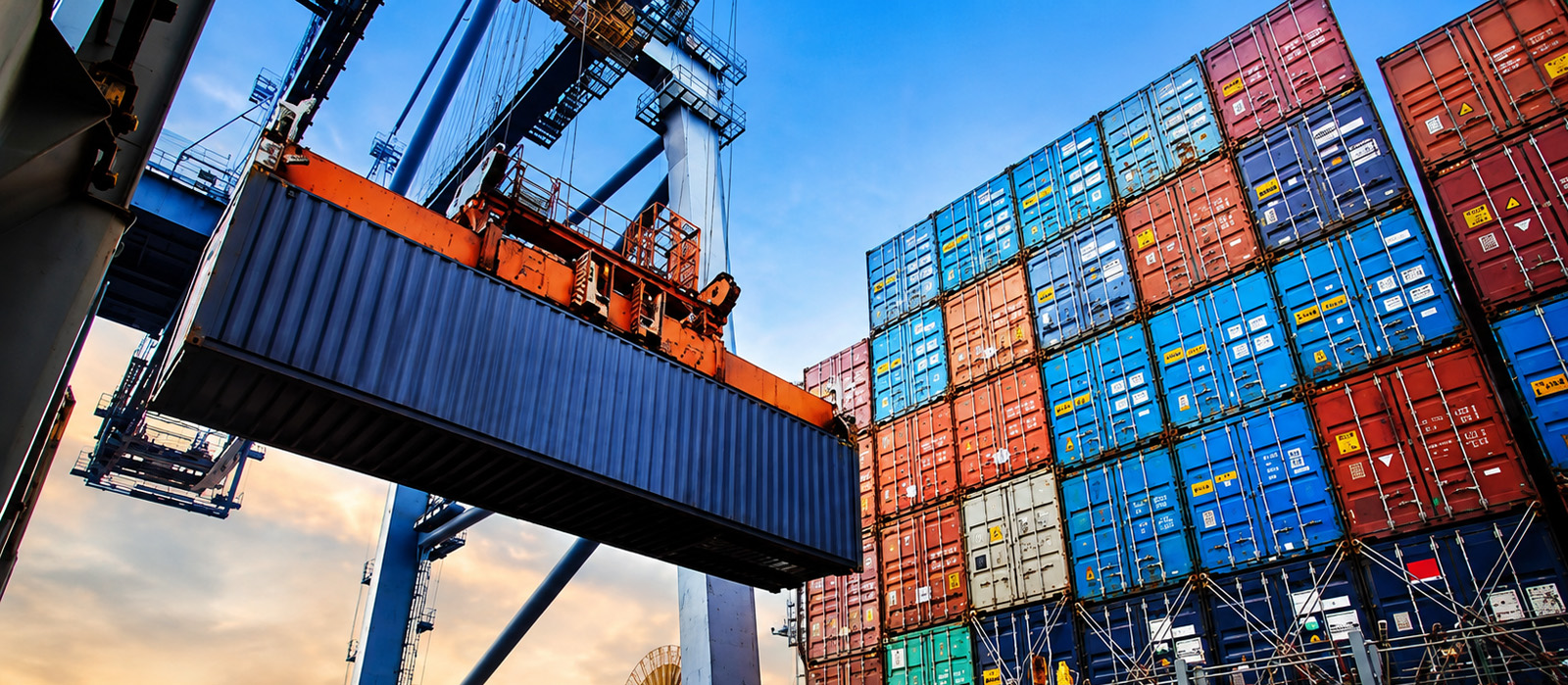
Key Industries Benefiting in Malaysia
Malaysia’s diverse industrial base makes consolidation services highly relevant across sectors:
Manufacturing
Factories often ship components or finished goods in smaller batches to international clients.
Electronics
High-value, low-volume goods benefit from secure consolidation handling.
Automotive
Spare parts and components are frequently shipped using LCL consolidation.
Consumer Goods & Retail
Retailers rely on consolidated imports to manage inventory efficiently.
Choosing a Reliable Consolidation Service Provider
Selecting the right logistics partner is critical for smooth export and import operations. Consider the following factors:
1. Experience in International Freight Forwarding
A knowledgeable provider ensures compliance with customs regulations and international shipping standards.
2. Strong Warehouse Network
Efficient consolidation requires strategically located warehouses for sorting and storage.
3. Customs Expertise
A good logistics provider should manage both export and import clearance smoothly.
4. Transparent Pricing
Look for clear cost breakdowns without hidden charges.
5. End-to-End Logistics Support
From pickup to final delivery, integrated services improve efficiency and reduce delays.
Challenges in Cargo Consolidation
While consolidation offers many benefits, businesses should also be aware of potential challenges:
- Slightly longer transit times compared to full container loads
- Dependency on multiple cargo schedules
- Risk of delays if one shipment affects container loading
- Requirement for accurate documentation from multiple suppliers
These challenges can be minimised by working with an experienced freight forwarder in Malaysia.
Future of Export & Import Consolidation in Malaysia
The future of logistics consolidation in Malaysia is expected to grow significantly due to:
- Rising e-commerce demand
- Expansion of ASEAN trade networks
- Digitalisation of freight forwarding processes
- Increased demand for cost-efficient logistics solutions
Automation, AI-driven logistics tracking, and smarter warehousing systems will further enhance consolidation efficiency in the coming years.
FAQs on Export & Import Consolidation Malaysia
1. What is export and import consolidation?
It is the process of combining multiple small shipments into a single container to reduce shipping costs and improve logistics efficiency.
2. Is consolidation cheaper than full container shipping?
Yes, consolidation is more cost-effective for small and medium shipments as you only pay for the space used.
3. How long does consolidated shipping take?
Transit time depends on destination and shipping route, but it may be slightly longer than full container load due to sorting and grouping processes.
4. What types of goods can be consolidated?
Most non-restricted goods such as electronics, machinery parts, textiles, and consumer goods can be consolidated.
5. Is consolidation suitable for SMEs in Malaysia?
Yes, SMEs benefit greatly as it allows them to access international markets without high shipping costs.
6. Which ports in Malaysia handle consolidation shipments?
Major hubs include Port Klang and Penang Port.
7. Do I need a freight forwarder for consolidation services?
Yes, freight forwarders manage cargo collection, documentation, customs clearance, and shipping coordination.

