What Are Barging & Project Services?
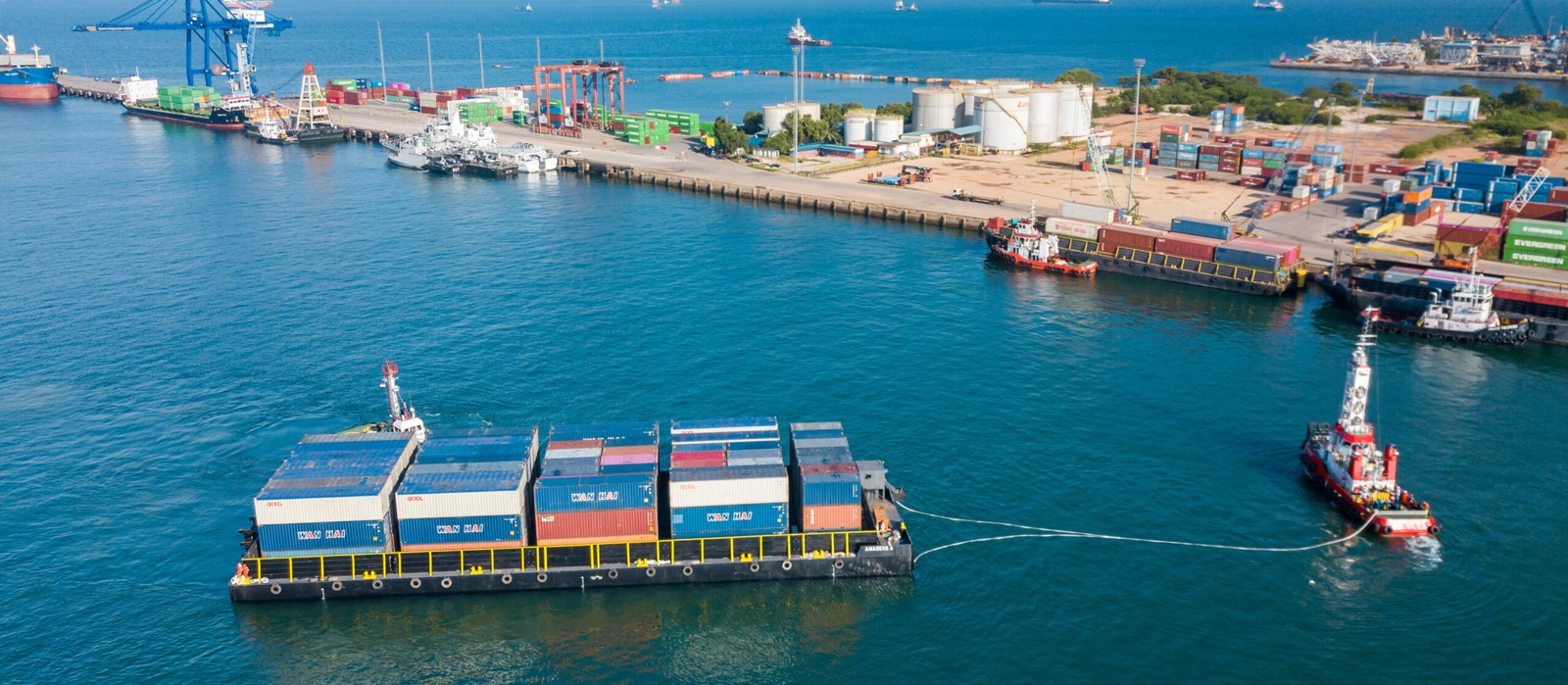
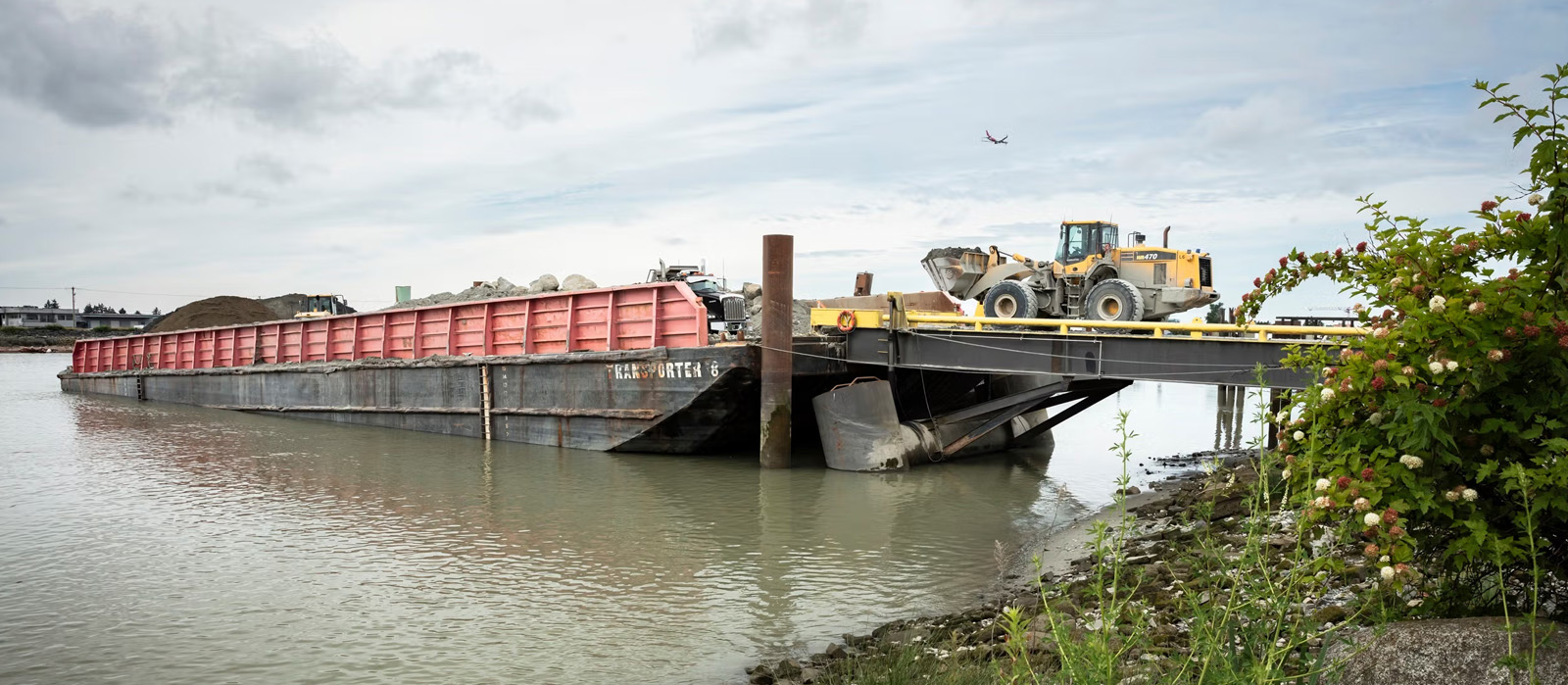
Barging services refer to the transportation of goods using flat-bottom vessels (barges) that are ideal for moving heavy or oversized cargo via rivers, coastal waters, and ports. These services are commonly used when cargo is too large or heavy for conventional shipping containers.
Project services, on the other hand, involve end-to-end logistics planning and execution for complex cargo movements. This includes route planning, heavy lift coordination, customs clearance, cargo handling, and final delivery.
Together, barging & project services in Malaysia provide integrated solutions for industries requiring specialised transport and logistics support.
Why Malaysia Is a Strategic Hub for Barging Services
Malaysia is geographically positioned at the heart of Southeast Asia, making it a vital maritime gateway between the East and West. Its well-developed port infrastructure, coastal accessibility, and industrial zones make it an ideal location for project cargo logistics.
Key advantages include:
- Access to major ports such as Port Klang (Port Klang), one of the busiest ports in the region
- Extensive coastline supporting inland and coastal barge operations
- Strong oil & gas and petrochemical industries
- Well-established logistics and freight forwarding ecosystem
- Strategic proximity to Singapore, Indonesia, and Thailand
These factors make Malaysia a competitive base for heavy lift and project cargo operations.
Comprehensive Barging & Project Services in Malaysia
A professional barging and project logistics provider typically offers a wide range of services designed to handle complex cargo requirements efficiently.
1. Heavy Cargo Transportation
Specialised barges are used to transport oversized machinery, construction materials, turbines, and industrial components that cannot be moved by road or standard container shipping.
2. Project Cargo Handling
End-to-end handling of complex logistics projects, including planning, lifting, securing, and transporting heavy equipment across domestic and international routes.
3. Marine Transport Solutions
Coastal and inland waterway transportation using tugboats and barges to ensure safe and cost-effective cargo movement.
4. Loading and Unloading Operations
Use of cranes, gantry systems, and heavy-lift equipment to safely load and discharge cargo at ports or project sites.
5. Route Survey and Planning
Detailed assessments of water routes, port accessibility, and cargo dimensions to ensure smooth transportation without delays or risks.
6. Customs and Documentation Support
Assistance with regulatory compliance, import/export documentation, and customs clearance procedures to streamline logistics operations.
Industries That Rely on Barging & Project Services
Barging and project logistics solutions are essential for multiple industries in Malaysia, including:
Oil and Gas
Transport of drilling equipment, offshore platforms, and refinery components.
Construction and Infrastructure
Movement of steel structures, bridges, cranes, and prefabricated modules.
Manufacturing
Delivery of industrial machinery, production lines, and factory equipment.
Energy and Power Generation
Transportation of turbines, generators, and renewable energy equipment.
Marine and Shipbuilding
Support for vessel components, ship modules, and offshore engineering projects.
The Barging & Project Logistics Process
A structured approach is essential to ensure safety, efficiency, and cost control in barging operations. The process typically includes:
1. Initial Consultation
Understanding cargo specifications, project timelines, and logistical requirements.
2. Feasibility Study
Assessment of routes, vessel availability, and regulatory requirements.
3. Planning & Engineering
Development of a detailed transport plan including lifting methods, securing techniques, and risk assessments.
4. Execution & Transportation
Deployment of barges, tugboats, and handling equipment for safe cargo movement.
5. Monitoring & Coordination
Real-time tracking and coordination between port authorities, clients, and logistics teams.
6. Delivery & Completion
Final unloading, inspection, and handover at the designated destination.
Benefits of Professional Barging & Project Services
Engaging a professional logistics provider in Malaysia offers several key advantages:
Cost Efficiency
Barging is often more economical than road or air transport for heavy or oversized cargo.
Safety Assurance
Specialised equipment and trained personnel reduce the risk of damage or accidents.
Flexibility
Barges can access locations that are not reachable by conventional transport modes.
Scalability
Suitable for both small-scale industrial movements and large infrastructure projects.
Reduced Road Congestion
Minimises reliance on heavy road transport, reducing traffic and infrastructure strain.
Why Choose Barging Services in Malaysia?
Malaysia’s logistics industry is supported by strong maritime infrastructure, skilled labour, and established international trade routes. Companies operating in this space benefit from:
- Advanced port facilities and terminals
- Experienced marine logistics operators
- Integrated supply chain networks
- Competitive operational costs
- Strong government support for trade and infrastructure development
With continuous investment in maritime infrastructure, Malaysia remains a leading destination for project cargo and barging services in the region.
Why Choose Our Barging & Project Services
A reliable barging and project logistics partner should offer more than just transport—it should deliver complete project execution with precision and accountability.
Key reasons clients choose professional service providers include:
- Proven expertise in heavy lift and project cargo handling
- End-to-end logistics management
- Strong safety and compliance standards
- Advanced fleet of barges and support vessels
- Experienced engineering and operations teams
- Customised solutions for complex cargo requirements
By combining technical expertise with local knowledge of Malaysian waters and ports, project efficiency and reliability are significantly improved.

Frequently Asked Questions (FAQs)
1. What is barging in logistics?
Barging refers to transporting goods using flat-bottom vessels called barges, typically for heavy, oversized, or bulk cargo that cannot be moved efficiently by road or container shipping.
2. What types of cargo require barging services?
Common cargo includes heavy machinery, construction materials, industrial equipment, oil and gas structures, and large modular components.
3. Why is Malaysia ideal for project cargo logistics?
Malaysia offers strategic port locations, strong maritime infrastructure, and proximity to major global shipping routes, making it ideal for project logistics operations.
4. Is barging more cost-effective than road transport?
Yes, for oversized or heavy cargo, barging is often more cost-effective and safer compared to road transport, especially over long distances or difficult terrain.
5. Which industries benefit most from barging services?
Industries such as oil and gas, construction, manufacturing, energy, and marine engineering benefit the most from barging and project logistics services.
6. How are safety risks managed in barging operations?
Safety is managed through detailed planning, engineering assessments, proper cargo securing methods, and experienced marine logistics teams.

