Professional Air & Sea Freight Forwarding Service for International Cargo Transportation
Whether transporting urgent shipments by air or moving large volumes of cargo via ocean freight, freight forwarding services help businesses optimise their supply chains and improve operational efficiency. With increasing demand for faster deliveries and greater supply chain visibility, choosing the right freight forwarding partner is essential for long-term business success.
Understanding Air & Sea Freight Forwarding Services
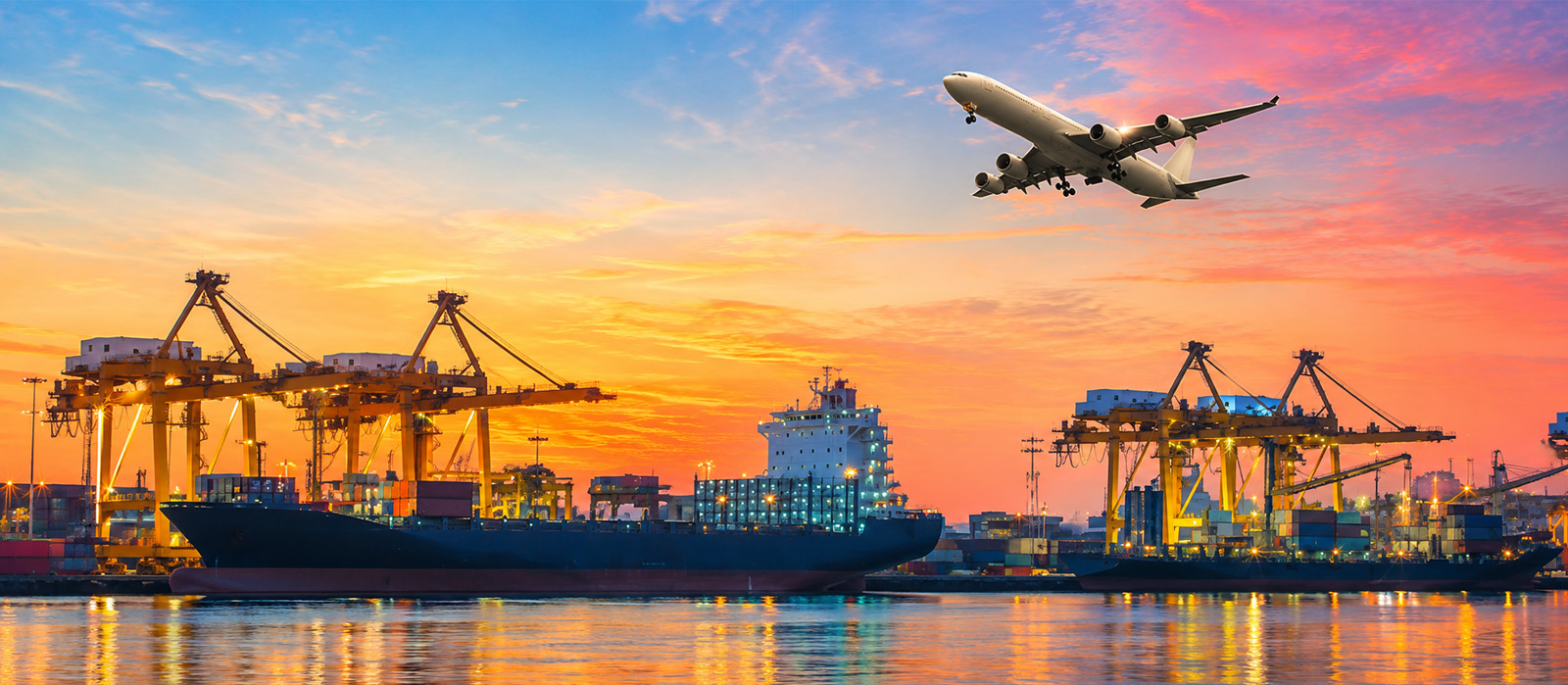
An air & sea freight forwarding service manages the movement of goods between countries using air transportation, sea transportation, or a combination of both. Freight forwarders act as logistics specialists who coordinate shipping activities from origin to destination.
Their responsibilities typically include:
- Shipment planning and coordination
- Carrier selection and freight booking
- Customs documentation and compliance
- Cargo consolidation and deconsolidation
- Warehousing and inventory management
- Cargo insurance arrangements
- Distribution and last-mile delivery
- Shipment tracking and reporting
By overseeing every stage of the logistics process, freight forwarders help businesses minimise delays and reduce transportation risks.
Why Air & Sea Freight Forwarding Services Are Essential
Supporting Global Trade Growth
International trade requires the movement of goods across multiple borders, transportation networks, and regulatory environments. Freight forwarding companies simplify this process by managing the complexities associated with global logistics.
Improving Supply Chain Efficiency
Efficient logistics operations contribute directly to improved supply chain performance. Freight forwarders optimise transportation routes, coordinate multiple service providers, and ensure timely cargo movement.
Reducing Administrative Burdens
Managing customs documentation, shipping schedules, and international regulations can consume significant internal resources. Freight forwarding professionals handle these responsibilities, allowing businesses to focus on core operations.
Minimising Transportation Risks
Experienced freight forwarders identify potential logistical challenges before they become costly problems, helping businesses maintain smooth and reliable shipping operations.
Air Freight Forwarding: Fast and Reliable Cargo Transportation
Air freight forwarding is ideal for businesses requiring rapid delivery of goods across international markets. Air transportation provides unmatched speed, making it the preferred option for urgent and high-value shipments.
Common Air Freight Applications
Air freight services are frequently used for:
- Electronic components
- Telecommunications equipment
- Medical devices
- Pharmaceutical products
- Luxury goods
- Automotive spare parts
- Perishable products
Key Benefits of Air Freight Services
Rapid Delivery
Air freight offers the shortest transit times available for international shipping, enabling businesses to respond quickly to market demands.
Reduced Lead Times
Faster transportation supports lean inventory strategies and minimises stock shortages.
Greater Reliability
Airlines operate according to structured schedules, providing predictable delivery timelines for international shipments.
Enhanced Cargo Protection
Air cargo terminals generally maintain high levels of security, reducing the risk of theft and damage.
Sea Freight Forwarding: Cost-Effective International Logistics
For businesses transporting large quantities of goods, sea freight remains one of the most economical logistics solutions available. Ocean freight enables companies to move substantial cargo volumes while controlling transportation costs.
Full Container Load (FCL) Shipping
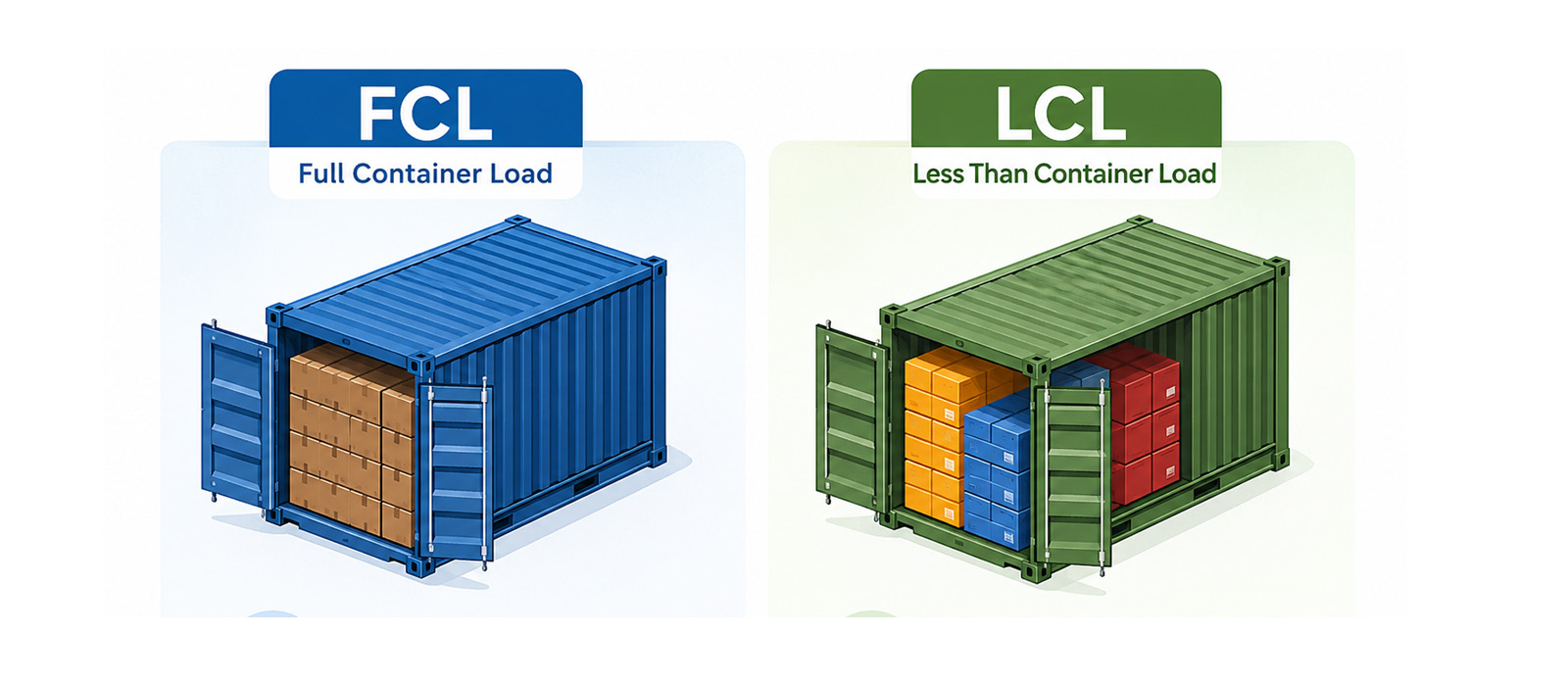
FCL shipping is suitable for businesses with enough cargo to fill an entire shipping container.
Advantages include:
- Faster processing times
- Lower risk of cargo contamination
- Improved shipment security
- Better cargo control
Less Than Container Load (LCL) Shipping
LCL services allow businesses to share container space with other shipments, making international shipping more affordable for smaller cargo volumes.
Advantages include:
- Reduced freight costs
- Flexible shipment quantities
- Improved cost efficiency for SMEs
Industries That Depend on Sea Freight
Sea freight is widely used by industries such as:
- Manufacturing
- Construction
- Agriculture
- Consumer goods
- Retail distribution
- Industrial equipment suppliers
Combining Air and Sea Freight for Maximum Flexibility
Many businesses benefit from integrating both air and sea freight solutions into their logistics strategies. This hybrid approach enables companies to balance transportation speed and shipping costs according to operational requirements.
For example:
- Urgent inventory replenishment may be transported by air.
- Bulk stock orders can be shipped via ocean freight.
- Seasonal demand fluctuations can be managed through a combination of transportation modes.
An experienced air & sea freight forwarding service can develop customised logistics strategies tailored to specific business objectives.
Customs Clearance and Trade Compliance
One of the most critical aspects of international shipping is customs compliance. Every shipment must meet import and export regulations established by relevant authorities.
Freight forwarders assist businesses by:
- Preparing customs declarations
- Managing import permits and licences
- Calculating duties and taxes
- Ensuring regulatory compliance
- Coordinating inspections when required
Efficient customs clearance reduces delays and helps businesses avoid costly penalties.
Warehousing and Distribution Services
Modern freight forwarding providers often offer integrated warehousing and distribution solutions. These services support inventory management and improve supply chain responsiveness.
Warehousing services may include:
Inventory Storage
Secure storage facilities accommodate both short-term and long-term inventory requirements.
Order Fulfilment
Logistics providers process customer orders, pick products, and prepare shipments for delivery.
Distribution Management
Freight forwarders coordinate domestic and international deliveries through extensive transportation networks.
Integrated warehousing and freight forwarding services create greater efficiency throughout the supply chain.
Cargo Insurance for Enhanced Protection
Despite advances in transportation technology, international shipments can still face unforeseen risks. Cargo insurance provides financial protection against loss, theft, or damage during transit.
Freight forwarding companies help businesses select suitable insurance coverage based on cargo type, shipment value, and transportation mode.
Benefits include:
- Reduced financial exposure
- Improved risk management
- Greater peace of mind
- Enhanced business continuity
Choosing the Best Air & Sea Freight Forwarding Service
Selecting the right logistics partner is essential for maintaining reliable shipping operations.
Industry Expertise
Look for a freight forwarding company with extensive experience managing shipments within your sector.
Global Logistics Network
Strong international partnerships enable smoother cargo movement across multiple countries and regions.
Advanced Technology
Digital shipment tracking and logistics management systems improve visibility and communication.
Flexible Service Options
The best providers offer customised solutions that adapt to changing business requirements.
Proven Customer Support
Responsive communication ensures quick resolution of logistics issues and shipment enquiries.
Future Trends in Air and Sea Freight Forwarding
The freight forwarding industry continues to evolve as businesses demand greater efficiency and sustainability.
Key trends include:
- Digital freight management platforms
- Real-time cargo tracking technologies
- Automated customs processing
- Sustainable shipping initiatives
- Supply chain visibility solutions
- Artificial intelligence-driven logistics planning
Businesses that work with innovative freight forwarding providers are better positioned to adapt to changing market conditions and customer expectations.
Frequently Asked Questions (FAQs) – Air & Sea Freight Forwarding Service
1. What is an air & sea freight forwarding service?
An air & sea freight forwarding service is a logistics solution that manages the international transportation of goods via air freight, sea freight, or a combination of both. Freight forwarders coordinate shipping, documentation, customs clearance, warehousing, and delivery to ensure smooth end-to-end cargo movement.
2. What is the difference between air freight and sea freight forwarding?
Air freight is faster and ideal for urgent or high-value shipments, while sea freight is more cost-effective and suitable for large-volume cargo. Businesses often choose air freight for speed and sea freight for affordability, depending on their supply chain needs.
3. When should I use air freight forwarding services?
Air freight forwarding is best used when shipments are time-sensitive, such as electronics, medical supplies, perishable goods, or urgent spare parts. It is also suitable for high-value products that require fast and secure delivery.
4. What are the advantages of sea freight forwarding?
Sea freight forwarding offers lower shipping costs, higher cargo capacity, and flexibility through Full Container Load (FCL) and Less Than Container Load (LCL) options. It is ideal for bulk shipments, construction materials, and industrial goods.
5. What is the difference between FCL and LCL shipping?
FCL (Full Container Load) means one shipper uses an entire container, offering better security and faster handling. LCL (Less Than Container Load) allows multiple shippers to share container space, making it more cost-effective for smaller shipments.
6. Do freight forwarders handle customs clearance?
Yes, professional freight forwarders manage customs clearance by preparing documentation, calculating duties and taxes, arranging permits, and ensuring compliance with international import and export regulations. This helps reduce delays and avoids penalties.
7. Can I combine air and sea freight for my shipments?
Yes, many businesses use a hybrid logistics strategy combining air and sea freight forwarding. This allows urgent goods to be shipped by air while bulk inventory is transported by sea, helping balance cost and delivery speed.
8. How does cargo insurance work in freight forwarding?
Cargo insurance protects shipments against loss, damage, or theft during transit. Freight forwarders help arrange suitable coverage based on shipment value, cargo type, and transportation mode to minimise financial risk.
9. What industries commonly use freight forwarding services?
Industries such as manufacturing, retail, agriculture, construction, electronics, automotive, and consumer goods rely heavily on air & sea freight forwarding services for efficient international trade operations.
10. How do I choose a reliable freight forwarding company?
Look for a provider with strong industry experience, a global logistics network, advanced tracking technology, customs expertise, flexible service options, and responsive customer support. These factors ensure smooth and reliable shipping operations.
11. Why is freight forwarding important for international trade?
Freight forwarding simplifies complex global logistics by managing transportation, documentation, and compliance. This allows businesses to focus on operations while ensuring efficient, timely, and cost-effective delivery of goods.
12. Do freight forwarding services operate in Malaysia?
Yes, freight forwarding services are widely available in Malaysia, supporting both import and export activities through major ports and airports. Businesses benefit from efficient regional connectivity across Southeast Asia and global trade routes.

