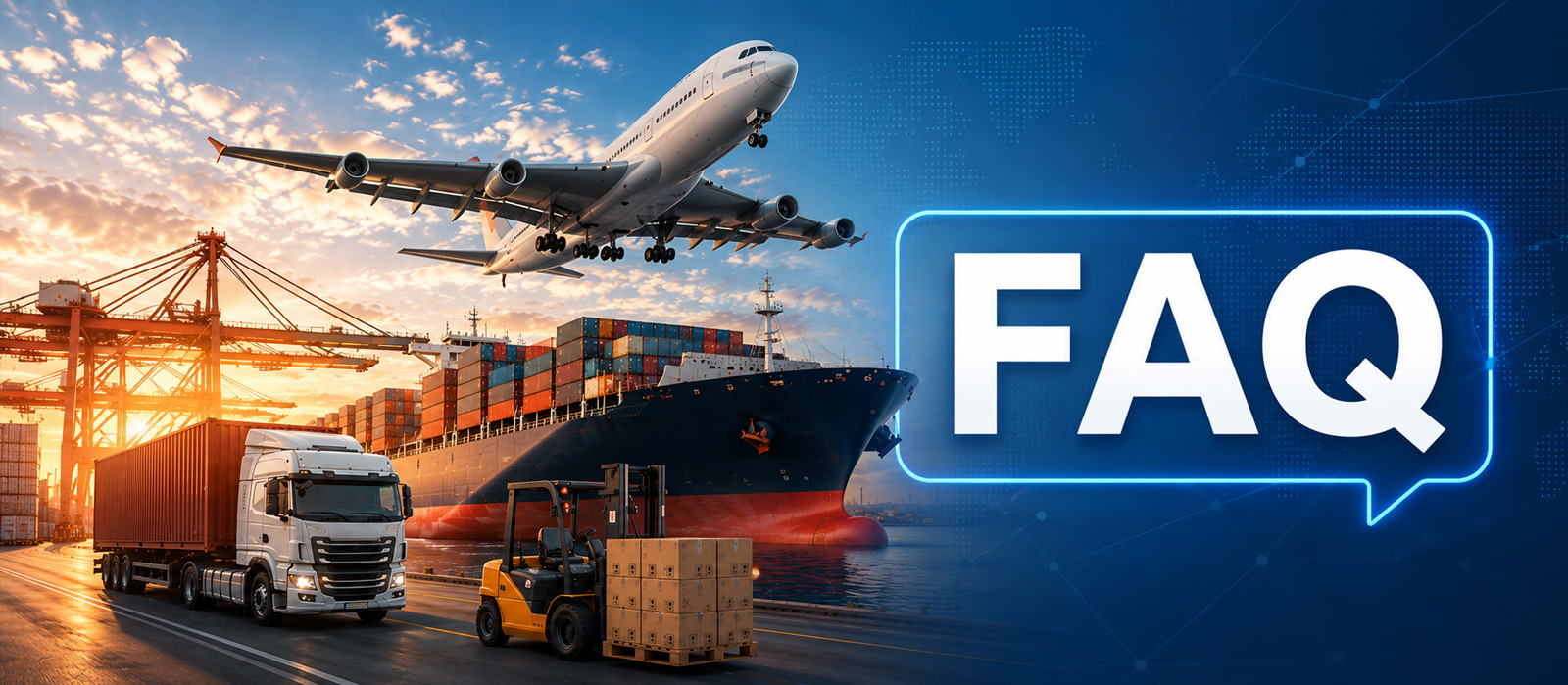
This guide explains everything you need to know about freight forwarding services in Malaysia, including how they work, key services offered, and how businesses can benefit from choosing the right logistics partner.
What is Freight Forwarding?
Freight forwarding refers to the coordination and management of shipping goods from one destination to another—often across international borders. A freight forwarder acts as an intermediary between the shipper and various transportation services such as shipping lines, airlines, and trucking companies.
In Malaysia, freight forwarders are essential for handling complex logistics processes such as customs clearance, documentation, cargo booking, and multimodal transport arrangements. Their main goal is to ensure goods are delivered safely, legally, and efficiently from origin to destination.
Why Freight Forwarding is Important in Malaysia
Malaysia is a major trading nation with strong export and import activity in industries such as electronics, manufacturing, agriculture, and palm oil. Efficient freight forwarding services help businesses:
- Reduce shipping delays and logistics bottlenecks
- Ensure compliance with Malaysian Customs regulations
- Optimise transportation costs
- Improve supply chain visibility
- Access global markets more easily
Without a freight forwarder, businesses would need to independently manage complex shipping regulations, carrier negotiations, and cross-border documentation.
Key Freight Forwarding Services in Malaysia
Freight forwarding companies in Malaysia typically offer a wide range of logistics solutions tailored to importers and exporters.
1. Air Freight Services
Air freight is used for urgent or high-value shipments. It is the fastest mode of international transport and is ideal for electronics, pharmaceuticals, and time-sensitive goods.
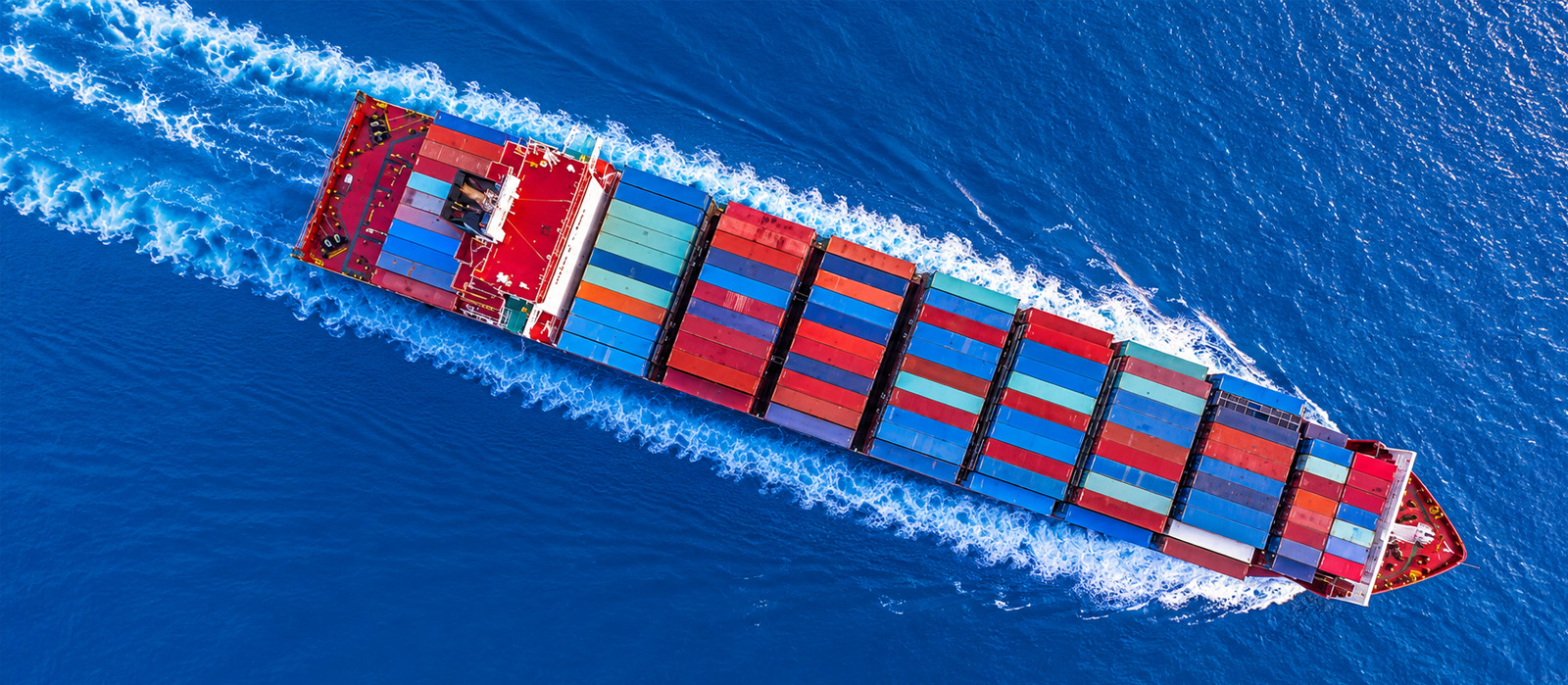
2. Sea Freight Services (FCL & LCL)
Sea freight is the most cost-effective option for large shipments. It includes:
- FCL (Full Container Load): A dedicated container for one shipper
- LCL (Less than Container Load): Shared container space for smaller shipments
Sea freight is widely used for bulk exports and imports through major ports like Port Klang and Penang.
3. Customs Clearance Services
Customs clearance is one of the most critical parts of freight forwarding. Forwarders handle:
- Import/export declarations
- HS code classification
- Duties and tax calculations
- Submission of required documents
This ensures shipments comply with Malaysian regulations and avoid unnecessary delays.
4. Door-to-Door Delivery
Many freight forwarders provide end-to-end logistics, collecting goods from the supplier and delivering them directly to the customer’s warehouse or final destination.
5. Warehousing and Distribution
Warehousing services include storage, inventory management, packaging, and distribution. This is particularly useful for businesses managing large supply chains or seasonal demand.
6. Cargo Insurance
Cargo insurance protects goods against damage, theft, or loss during transit. It provides financial security for high-value shipments and international trade operations.
7. Multimodal Transport Solutions
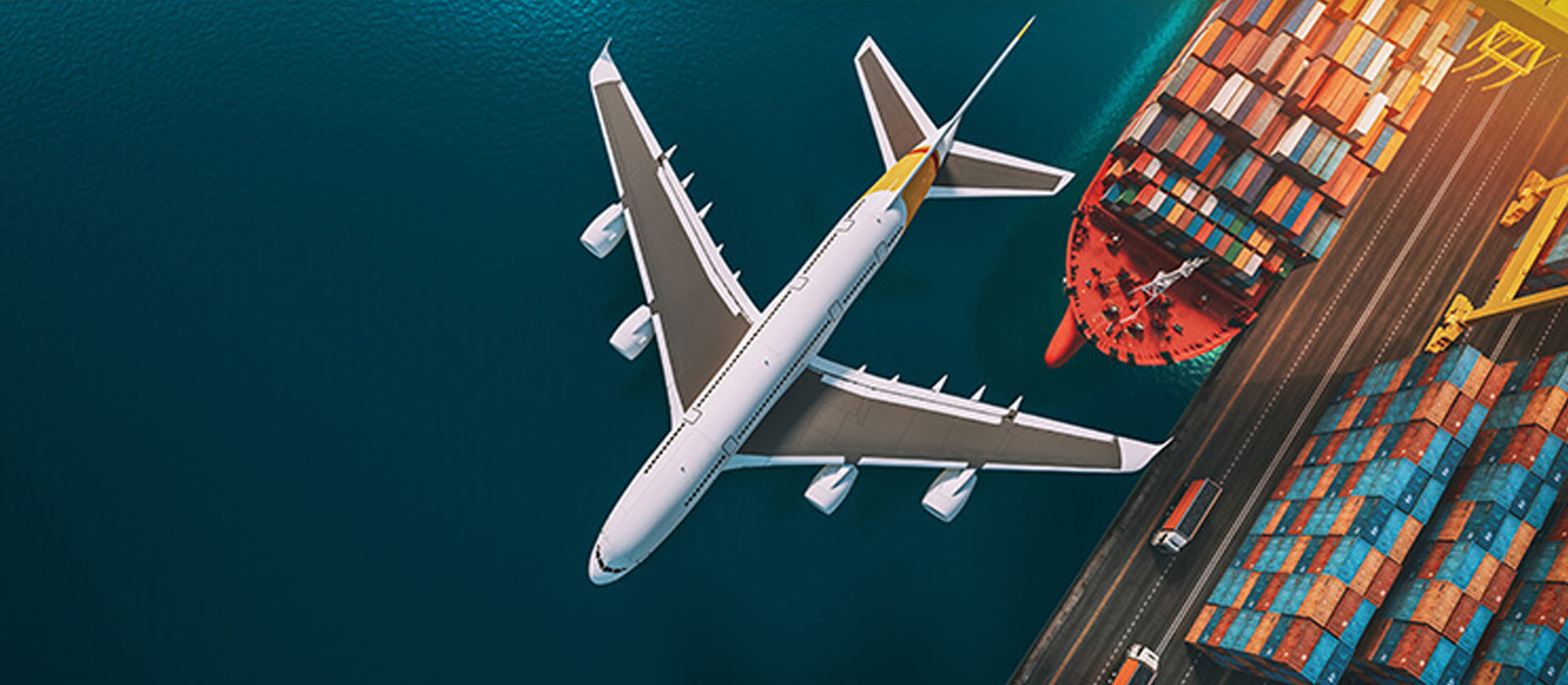
Freight forwarders often combine air, sea, and land transport to optimise delivery time and cost efficiency, especially for cross-border logistics within ASEAN countries.
The Freight Forwarding Process in Malaysia
Understanding the process helps importers and exporters manage expectations and improve planning.
Step 1: Shipment Planning & Quotation
The freight forwarder evaluates cargo details such as weight, volume, destination, and urgency to provide a customised quotation.
Step 2: Cargo Booking
Space is reserved with airlines or shipping lines based on the selected transport mode.
Step 3: Pickup & Export Haulage
Goods are collected from the supplier and transported to the port or airport.
Step 4: Customs Documentation
All export documents are prepared, including invoices, packing lists, and permits.
Step 5: Customs Clearance
Authorities review and approve shipment compliance before departure.
Step 6: International Transport
Goods are shipped via air or sea to the destination country.
Step 7: Import Clearance & Final Delivery
Upon arrival, the forwarder handles import clearance and delivers goods to the final destination.
Benefits of Using Freight Forwarding Services in Malaysia
1. Cost Efficiency
Freight forwarders negotiate better shipping rates due to their partnerships with carriers.
2. Time Savings
They manage the entire logistics process, reducing administrative burden for businesses.
3. Regulatory Compliance
Experts ensure all customs regulations and trade laws are followed correctly.
4. Risk Management
With insurance and proper handling procedures, risks of cargo loss or damage are minimised.
5. Global Network Access
Freight forwarders connect Malaysian businesses to international supply chains and trade routes.
How to Choose the Right Freight Forwarder in Malaysia
Selecting the right logistics partner is essential for smooth operations. Consider the following factors:
Experience and Expertise
Choose a forwarder with experience in handling your industry-specific cargo.
Global Network Coverage
A strong international network ensures reliable shipping routes and faster transit times.
Service Range
Look for companies offering end-to-end solutions including customs clearance, warehousing, and transport.
Transparency in Pricing
Ensure there are no hidden charges and pricing is clearly explained.
Technology and Tracking
Modern freight forwarders provide real-time shipment tracking and digital documentation.
Common Challenges in Freight Forwarding
Despite its advantages, freight forwarding can face challenges such as:
- Customs delays due to incorrect documentation
- Fluctuating freight rates
- Port congestion
- Changing international trade regulations
- Weather-related disruptions
Working with an experienced freight forwarder helps mitigate these risks effectively.